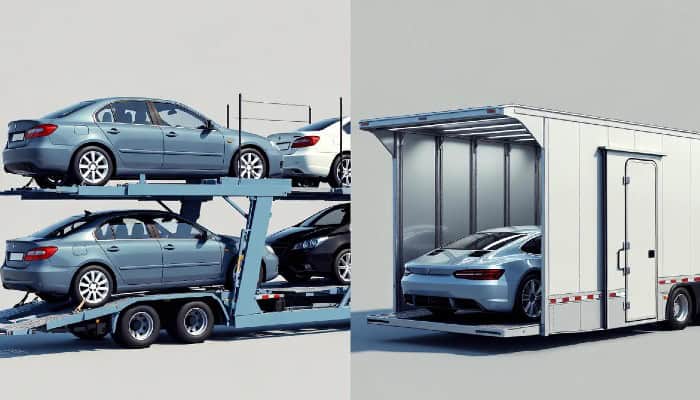
When it comes to shipping your vehicle, understanding the different delivery methods is crucial. One popular option is terminal delivery. This method involves dropping off your car at a designated terminal, where it will be stored until it is picked up by the carrier for transport. In this article, we will explore the pros and cons of terminal delivery, helping you make an informed decision about whether it’s the right choice for your auto transport needs.
Table of Contents
- What is Terminal Delivery?
- Pros of Terminal Delivery
- Cons of Terminal Delivery
- Step-by-Step Process of Terminal Delivery
- Practical Consumer Tips
- Common Mistakes to Avoid
- Safety Notes and Insurance
- Summary
- Frequently Asked Questions
What is Terminal Delivery?
Terminal delivery is a method of transporting vehicles where the car is dropped off at a specific location, known as a terminal. This terminal is typically operated by the shipping company or a partner. Once your vehicle is at the terminal, it will be loaded onto a transport carrier and shipped to its final destination. This method is commonly used for long-distance shipping and can be a cost-effective option.
Pros of Terminal Delivery
- Cost-Effective: Terminal delivery often comes with lower shipping costs compared to door-to-door services. This is because the carrier can consolidate multiple vehicles at the terminal.
- Flexible Pickup Times: You can drop off your vehicle at your convenience, and the terminal usually has extended hours for drop-off and pickup.
- Increased Security: Vehicles are stored in a secure location, which can provide peace of mind while your car is in transit.
- Less Wear and Tear: Since the vehicle is not driven to your home, there is less chance of wear and tear on your car.
Cons of Terminal Delivery
- Distance to Terminal: Depending on your location, you may need to travel a significant distance to reach the terminal, which can be inconvenient.
- Waiting Time: There may be delays in pickup or delivery, as the carrier may have to wait for a full load before shipping.
- Limited Availability: Not all carriers offer terminal delivery, so your options may be limited.
- Potential for Damage: While terminals are generally secure, there is still a risk of damage while your vehicle is parked with others.
Step-by-Step Process of Terminal Delivery
Heres a simple breakdown of the terminal delivery process:
- Research and Select a Carrier: Look for auto transport companies that offer terminal delivery. Read reviews and compare quotes.
- Book Your Shipment: Contact your chosen carrier to book your shipment. Provide details about your vehicle and desired pickup and delivery locations.
- Prepare Your Vehicle: Clean your car, remove personal items, and ensure it is in good working condition. Take photos for your records.
- Drop Off Your Vehicle: Drive your car to the terminal. Make sure to arrive during business hours and follow any specific instructions from the carrier.
- Receive Confirmation: After dropping off, you should receive confirmation that your vehicle is safely at the terminal.
- Pickup at Destination: Once your vehicle arrives at the destination terminal, you will be notified to pick it up. Bring identification and any necessary paperwork.
Practical Consumer Tips
- Get Multiple Quotes: Always compare prices from different carriers to find the best deal.
- Check Terminal Locations: Ensure the terminal is convenient for you, and check its hours of operation.
- Understand the Terms: Read the contract carefully to understand the terms of service, including insurance coverage and liability.
- Plan Ahead: Book your shipment well in advance, especially during peak seasons.
Common Mistakes to Avoid
- Not Preparing the Vehicle: Failing to clean or remove personal items can lead to issues during transport.
- Ignoring Insurance: Always check what insurance coverage is provided and consider additional coverage if necessary.
- Overlooking Terminal Fees: Be aware of any additional fees associated with terminal delivery.
Safety Notes and Insurance
When using terminal delivery, safety is paramount. Ensure you choose a reputable carrier with good reviews. Check if they are licensed and insured. Its also wise to take out additional insurance for peace of mind, especially for high-value vehicles.
Summary
Terminal delivery can be a great option for car shipping, offering cost savings and flexibility. However, its essential to weigh the pros and cons and consider your specific needs. By following the steps outlined in this guide, you can navigate the terminal delivery process with confidence.
Frequently Asked Questions
- What is the difference between terminal delivery and door-to-door delivery? Terminal delivery requires you to drop off your vehicle at a terminal, while door-to-door delivery means the carrier picks up and delivers your car directly to your location.
- How long does terminal delivery take? The timeline varies depending on distance and carrier schedules, but it typically takes 1-2 weeks for cross-country shipping.
- Can I track my vehicle during transport? Most carriers provide tracking options, so you can monitor your vehicle’s status during shipping.
- What should I do if my vehicle is damaged during transport? Document the damage with photos and contact your carrier immediately to file a claim.
- Are there any restrictions on what I can leave in my car? Yes, most carriers advise against leaving personal items in your vehicle to avoid theft or damage.
Now that you have a better understanding of terminal delivery, you can make an informed decision about your car shipping needs. Whether you choose terminal delivery or another method, being prepared will help ensure a smooth transport experience.