When it comes to shipping your vehicle, understanding the options available is crucial. The choice between open and enclosed transport can significantly impact the safety and cost of your vehicle shipping experience. This guide will help you navigate these options, ensuring you make the best decision based on your vehicle’s value and your specific needs.
Table of Contents
- Transport Options
- Shipping Process
- Cost Factors
- Timelines
- Preparation Steps
- Practical Consumer Tips
- Common Mistakes to Avoid
- Safety Notes and Carrier Selection
- Summary
- Frequently Asked Questions
Transport Options
When shipping a vehicle, you typically have two main transport options: open transport and enclosed transport.
Open Transport
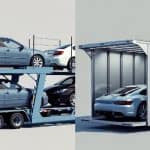
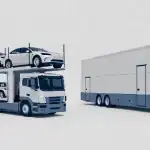
Open transport is the most common and cost-effective method. Vehicles are loaded onto a truck that is open to the elements. This option is suitable for standard vehicles and is often used by dealerships and individuals alike.
Enclosed Transport
Enclosed transport offers more protection. Vehicles are shipped inside a fully enclosed trailer, shielding them from weather, debris, and road conditions. This option is recommended for high-value, classic, or luxury cars.
Shipping Process
The vehicle shipping process can be broken down into several steps:
- Research and Choose a Carrier: Look for reputable auto transport companies. Read reviews and check their ratings.
- Get Quotes: Contact several carriers to get quotes based on your transport type and vehicle details.
- Book Your Transport: Once you choose a carrier, book your transport. Provide details like pickup and delivery locations, vehicle condition, and preferred transport type.
- Prepare Your Vehicle: Clean your car, remove personal items, and document its condition.
- Pickup and Delivery: The carrier will pick up your vehicle and transport it to the destination. Stay in touch for updates.
Cost Factors
The cost of shipping your vehicle can vary based on several factors:
- Transport Type: Enclosed transport is generally more expensive than open transport.
- Distance: Longer distances typically increase shipping costs.
- Vehicle Size and Weight: Larger or heavier vehicles may incur higher fees.
- Season: Shipping costs can fluctuate based on demand, with peak seasons often leading to higher prices.
Timelines
Understanding the timeline for vehicle shipping is important:
- Booking Time: Its advisable to book your transport at least 1-2 weeks in advance.
- Transit Time: Depending on the distance, transit can take anywhere from a few days to a couple of weeks.
- Delivery Notifications: Most carriers will provide updates on the estimated delivery time.
Preparation Steps
Properly preparing your vehicle can help ensure a smooth shipping experience:
- Clean the Vehicle: A clean car makes it easier to inspect for any pre-existing damage.
- Remove Personal Items: Take out any valuables or personal belongings to avoid loss or damage.
- Document the Condition: Take photos of your vehicle from multiple angles to document its condition before shipping.
- Check Fluid Levels: Ensure that all fluids are topped off and that the battery is charged.
Practical Consumer Tips
Here are some additional tips to consider when shipping your vehicle:
- Always read the terms and conditions of your chosen carrier.
- Ask about insurance coverage and what it includes.
- Consider scheduling your transport during off-peak seasons for better rates.
- Communicate clearly with your carrier about pickup and delivery expectations.
Common Mistakes to Avoid
Here are some common pitfalls to watch out for:
- Not researching the carrier thoroughly.
- Forgetting to document the vehicle’s condition.
- Overlooking insurance details.
- Failing to remove personal items from the vehicle.
Safety Notes and Carrier Selection
When choosing a carrier, consider the following:
- Check for proper licensing and insurance.
- Look for customer reviews and testimonials.
- Ask about their experience with the type of vehicle you are shipping.
Summary
Choosing the best transport type for your vehicle value is essential for a successful shipping experience. Whether you opt for open or enclosed transport, understanding the process, costs, and preparation steps will help you make an informed decision. Take your time to research and prepare, and youll feel confident in your choice.
Frequently Asked Questions
- What is the difference between open and enclosed transport?
Open transport exposes your vehicle to the elements, while enclosed transport provides full protection. - How much does it cost to ship a car?
Costs vary based on distance, vehicle size, and transport type, with enclosed transport generally being more expensive. - How long does it take to ship a vehicle?
Shipping times can range from a few days to several weeks, depending on distance and carrier schedules. - Is my vehicle insured during transport?
Most carriers provide insurance, but its important to confirm the coverage details before shipping. - Can I track my vehicle during transport?
Many carriers offer tracking services, allowing you to monitor your vehicles progress.
With this information, you are now better equipped to choose the best transport type for your vehicle value. Take the next step in your car shipping journey with confidence!