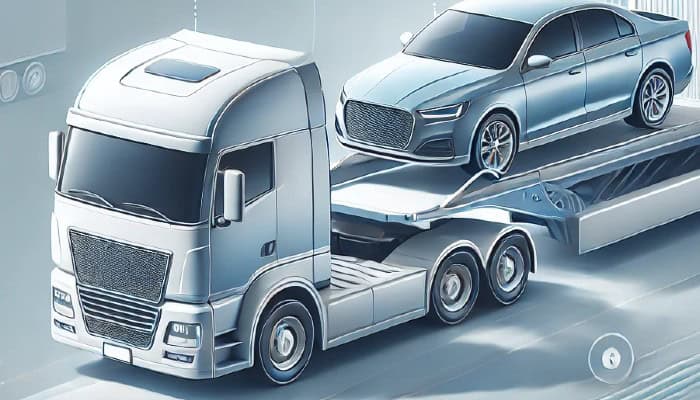
Shipping a car you haven’t seen in person can feel daunting. Whether you’re buying a classic car from across the country or a family vehicle from an online seller, knowing what to check before shipping is crucial. This guide will help you navigate the process smoothly, ensuring you make informed decisions every step of the way.
Table of Contents
- Transport Options
- Shipping Process
- Cost Factors
- Timelines
- Preparation Steps
- Practical Consumer Tips
- Common Mistakes to Avoid
- Safety Notes and Carrier Selection
- Summary
- Frequently Asked Questions
Transport Options
When shipping a car, you generally have two main transport options: open transport and enclosed transport.
- Open Transport: This is the most common and cost-effective method. Your car will be loaded onto a truck with other vehicles, exposed to the elements.
- Enclosed Transport: This option provides more protection as your car is transported in a covered trailer. It is typically more expensive but recommended for high-value or classic cars.
Shipping Process
The shipping process can be broken down into several key steps:
- Research Car Shipping Companies: Look for reputable carriers with good reviews. Check their credentials and insurance coverage.
- Get Quotes: Contact multiple companies to get quotes. Prices can vary significantly based on distance, vehicle type, and transport method.
- Book Your Shipment: Once you’ve chosen a carrier, book your shipment. Provide them with all necessary details, including pickup and delivery locations.
- Prepare Your Car: Remove personal items, check fluid levels, and ensure the vehicle is in good condition for transport.
- Inspect Upon Delivery: When your car arrives, inspect it for any damage before signing off on the delivery.
Cost Factors
Several factors influence the cost of shipping your car:
- Distance: Longer distances generally increase shipping costs.
- Vehicle Size and Weight: Larger and heavier vehicles cost more to ship.
- Transport Type: As mentioned, enclosed transport is more expensive than open transport.
- Season: Prices can fluctuate based on the season. For example, summer may see higher demand and prices.
Timelines
The time it takes to ship a car varies based on distance and transport method:
- Local Shipments: Typically take 1-3 days.
- Long-Distance Shipments: Can take anywhere from 5 to 10 days, depending on the route and carrier’s schedule.
Always ask your carrier for an estimated delivery timeline when booking your shipment.
Preparation Steps
Preparing your car for shipping is essential. Follow these steps:
- Clean Your Car: A thorough cleaning helps you inspect for any pre-existing damage.
- Document Condition: Take photos of your car from multiple angles, including the interior and exterior.
- Check Fluids: Ensure that oil, coolant, and other fluids are at appropriate levels.
- Disable Alarms: Disable any car alarms to prevent issues during transport.
- Keep a Quarter Tank of Gas: This is usually enough for loading and unloading without adding extra weight.
Practical Consumer Tips
Here are some tips to help you through the car shipping process:
- Always read the fine print in your shipping contract. Understand the terms and conditions.
- Ask about insurance coverage. Ensure your vehicle is protected during transport.
- Be flexible with pickup and delivery dates to find the best rates.
- Consider using a broker if you’re unsure about choosing a carrier. They can help you find reliable options.
Common Mistakes to Avoid
Avoid these common pitfalls when shipping your car:
- Not Researching Carriers: Failing to check reviews and ratings can lead to poor service.
- Ignoring Insurance: Not verifying insurance can leave you unprotected in case of damage.
- Underestimating Costs: Always budget for potential additional fees, such as for oversized vehicles or remote locations.
Safety Notes and Carrier Selection
When selecting a carrier, prioritize safety and reliability:
- Check the carriers licensing and insurance. They should be registered with the Department of Transportation.
- Look for companies that provide tracking options so you can monitor your car’s journey.
- Read customer testimonials to gauge the carrier’s reliability and service quality.
Summary
Shipping a car you haven’t seen in person requires careful planning and research. By understanding your transport options, preparing your vehicle, and selecting a reputable carrier, you can ensure a smooth shipping experience. Take your time, follow the steps outlined above, and youll be well on your way to successfully shipping your car.
Frequently Asked Questions
- How much does it cost to ship a car? Costs vary based on distance, vehicle size, and transport method. Expect to pay anywhere from $500 to $1,500.
- How long does it take to ship a car? Shipping times can range from 1 to 10 days, depending on distance and carrier schedules.
- What should I do if my car is damaged during transport? Document the damage and contact the carrier immediately to file a claim.
- Can I ship personal items in my car? Most carriers do not allow personal items due to liability issues. It’s best to remove all personal belongings.
- Is insurance included in the shipping cost? Basic liability coverage is typically included, but you may want to purchase additional insurance for peace of mind.
By following these guidelines, you can feel confident in your ability to ship a car you haven’t seen in person. Take the next step in your car shipping journey with assurance and clarity!