When it comes to transporting your vehicle, understanding the different shipping options is crucial. Open car shipping is one of the most popular methods, but many car owners wonder about its safety. In this article, we will explore the pros and cons of open car shipping, helping you make an informed decision for your vehicle transport needs.
Table of Contents
- What is Open Car Shipping?
- Pros and Cons of Open Car Shipping
- The Shipping Process
- Cost Factors
- Preparation Steps for Open Car Shipping
- Common Mistakes to Avoid
- Safety Notes and Carrier Selection
- Summary
- Frequently Asked Questions
What is Open Car Shipping?
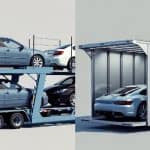
Open car shipping involves transporting vehicles on an open trailer. This method is similar to how cars are transported from manufacturers to dealerships. Open transport can carry multiple vehicles at once, making it a cost-effective option for many car owners.
Pros and Cons of Open Car Shipping
Pros
- Cost-Effective: Open car shipping is generally cheaper than enclosed transport. This is because it can accommodate more vehicles at once.
- Availability: Open transport is widely available, making it easier to find a carrier that fits your schedule.
- Faster Shipping Times: With more carriers available, you may experience quicker pickup and delivery times.
Cons
- Exposure to Elements: Vehicles are exposed to weather conditions like rain, snow, or sun, which may cause minor wear and tear.
- Higher Risk of Damage: While rare, there is a slightly higher risk of damage from road debris or accidents compared to enclosed shipping.
- Less Protection: Unlike enclosed transport, open carriers do not provide a protective shell, which may concern some owners.
The Shipping Process
Understanding the shipping process can help alleviate concerns about safety. Heres a step-by-step breakdown:
- Research Carriers: Look for reputable auto transport companies that offer open car shipping. Read reviews and check their safety records.
- Get Quotes: Contact multiple carriers for quotes. Ensure you understand what is included in the price.
- Book Your Transport: Once you select a carrier, book your transport. Provide details about your vehicle and preferred pickup and delivery locations.
- Prepare Your Vehicle: Remove personal items, ensure the gas tank is no more than a quarter full, and document any existing damage.
- Pickup and Delivery: The carrier will pick up your vehicle and transport it to the destination. Be prepared for a delivery timeframe based on distance and route.
Cost Factors
The cost of open car shipping can vary based on several factors:
- Distance: Longer distances typically increase the cost.
- Vehicle Size: Larger vehicles like SUVs or trucks may cost more to ship than standard cars.
- Season: Prices can fluctuate based on the time of year, with peak seasons generally being more expensive.
- Location: Urban areas may have more carriers available, potentially lowering costs.
Preparation Steps for Open Car Shipping
Proper preparation can help ensure a smooth shipping experience. Follow these steps:
- Clean Your Vehicle: Wash your car to make it easier to inspect for any existing damage.
- Document Condition: Take photos of your vehicle from multiple angles, noting any scratches or dents.
- Remove Personal Items: Clear out any personal belongings, as carriers are not responsible for lost items.
- Check for Leaks: Ensure there are no fluid leaks, as this can be a concern during transport.
Common Mistakes to Avoid
- Not Researching Carriers: Always check reviews and ratings before choosing a transport company.
- Ignoring Insurance: Ensure that the carrier has insurance coverage and understand what it covers.
- Not Asking Questions: Dont hesitate to ask the carrier about their process, safety measures, and any concerns you may have.
Safety Notes and Carrier Selection
When selecting a carrier for open car shipping, consider the following:
- Insurance Coverage: Verify that the carrier has adequate insurance to cover any potential damage during transport.
- Experience: Choose a company with a proven track record in the industry.
- Communication: A reliable carrier will keep you informed throughout the shipping process.
Summary
Open car shipping is a safe and cost-effective option for transporting your vehicle. While it has its pros and cons, understanding the process and preparing your car can help ensure a smooth experience. By choosing a reputable carrier and following best practices, you can feel confident in your decision.
Frequently Asked Questions
- Is open car shipping safe? Yes, open car shipping is generally safe, but it does expose your vehicle to the elements.
- How long does open car shipping take? Shipping times vary based on distance, but it typically takes 1-2 weeks for cross-country transport.
- Can I track my vehicle during transport? Most carriers provide tracking options, so you can monitor your vehicle’s location.
- What if my car gets damaged during transport? If damage occurs, file a claim with the carriers insurance as soon as possible.
- Do I need to be present for pickup and delivery? It’s recommended to be present, but you can authorize someone else to handle it for you.
With the right information and preparation, you can confidently choose open car shipping for your vehicle transport needs. Take the next step and start your car shipping journey today!