Shipping a car can be a daunting task, especially if you’re doing it for the first time. You might have concerns about the condition of your vehicle upon arrival. Unfortunately, sometimes cars do arrive damaged. Knowing what steps to take can help you navigate this situation calmly and effectively. This guide will walk you through what to do if your car arrives damaged, ensuring you feel confident in handling the situation.
Table of Contents
- Understanding Shipping Options
- The Shipping Process
- Cost Factors
- Timelines for Car Shipping
- Preparing Your Car for Shipping
- Practical Consumer Tips
- Common Mistakes to Avoid
- Safety Notes and Insurance Details
- Summary
- Frequently Asked Questions
Understanding Shipping Options
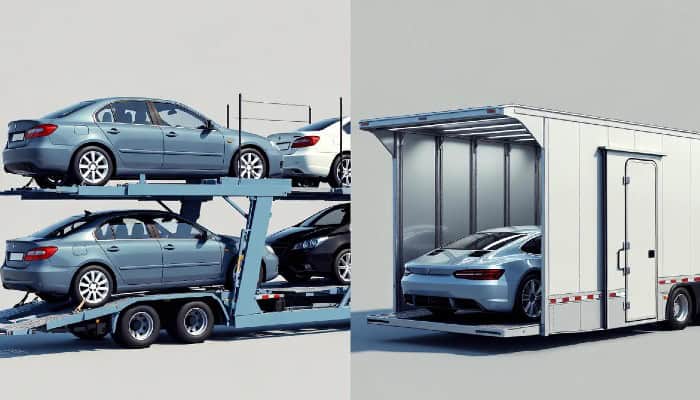
When shipping a car, you typically have two main options: open transport and enclosed transport. Open transport is more common and cost-effective, where your car is loaded onto a trailer with other vehicles. Enclosed transport offers more protection, as your vehicle is transported in a fully enclosed trailer, shielding it from the elements and road debris. While enclosed transport is pricier, it may be worth considering for high-value or classic cars.
The Shipping Process
The car shipping process generally involves several steps:
- Booking: Research and select a reputable auto transport company. Look for reviews and ratings to ensure reliability.
- Preparing Your Car: Clean your vehicle and remove personal items. Take photos of your car from multiple angles to document its condition.
- Pickup: The carrier will pick up your vehicle. Be present to inspect the car and sign the bill of lading.
- Transit: Your car will be transported to its destination. Stay in touch with the carrier for updates.
- Delivery: Upon arrival, inspect your car again and note any damage before signing off on the delivery.
Cost Factors
Several factors affect the cost of shipping your car:
- Distance: Longer distances generally cost more.
- Transport Type: Open transport is cheaper than enclosed transport.
- Vehicle Size: Larger vehicles may incur higher fees.
- Season: Prices can fluctuate based on demand, with peak seasons typically being more expensive.
Timelines for Car Shipping
The timeline for car shipping can vary based on distance and the carrier’s schedule. Generally, you can expect:
- Short Distances: 1-3 days.
- Long Distances: 5-10 days.
- International Shipping: 2-6 weeks, depending on customs and logistics.
Preparing Your Car for Shipping
Proper preparation can help prevent damage during transport. Here are some steps to follow:
- Remove all personal belongings from the car.
- Check fluid levels and tire pressure.
- Disable alarms and remove any aftermarket accessories.
- Document the car’s condition with photos.
Practical Consumer Tips
Here are some tips to help you through the car shipping process:
- Research Carriers: Look for carriers with good reviews and proper licensing.
- Get Multiple Quotes: Compare prices and services from different companies.
- Ask Questions: Dont hesitate to ask the carrier about their processes and insurance coverage.
- Be Present at Pickup and Delivery: This allows you to inspect your vehicle and address any concerns immediately.
Common Mistakes to Avoid
To ensure a smooth shipping experience, avoid these common mistakes:
- Not researching the carrier’s reputation.
- Failing to document the car’s condition.
- Ignoring insurance options.
- Overloading the vehicle with personal items.
Safety Notes and Insurance Details
It’s crucial to understand the insurance coverage provided by the carrier. Most reputable companies offer basic coverage, but it may not cover all damages. Consider purchasing additional insurance if you have a high-value vehicle. Always read the fine print and understand your rights and responsibilities.
Summary
If your car arrives damaged, stay calm and follow the steps outlined above. Document the damage, contact the carrier, and initiate the claims process as soon as possible. Being prepared and informed will help you navigate this situation effectively.
Frequently Asked Questions
- What should I do immediately if my car arrives damaged?
Document the damage with photos and contact the carrier to report the issue. - Will my insurance cover the damage?
Check your personal auto insurance policy and the carrier’s insurance coverage for details. - How long do I have to file a claim?
This varies by carrier, but its best to file a claim as soon as you notice the damage. - Can I refuse delivery if the damage is severe?
Yes, you can refuse delivery and should document the reasons for doing so. - What if the carrier denies my claim?
If your claim is denied, review the carrier’s policy and consider seeking legal advice if necessary.
Feeling confident about what to do if your car arrives damaged can make a significant difference in your car shipping experience. Remember to document everything and communicate effectively with your carrier. With the right approach, you can resolve the situation and move forward smoothly.