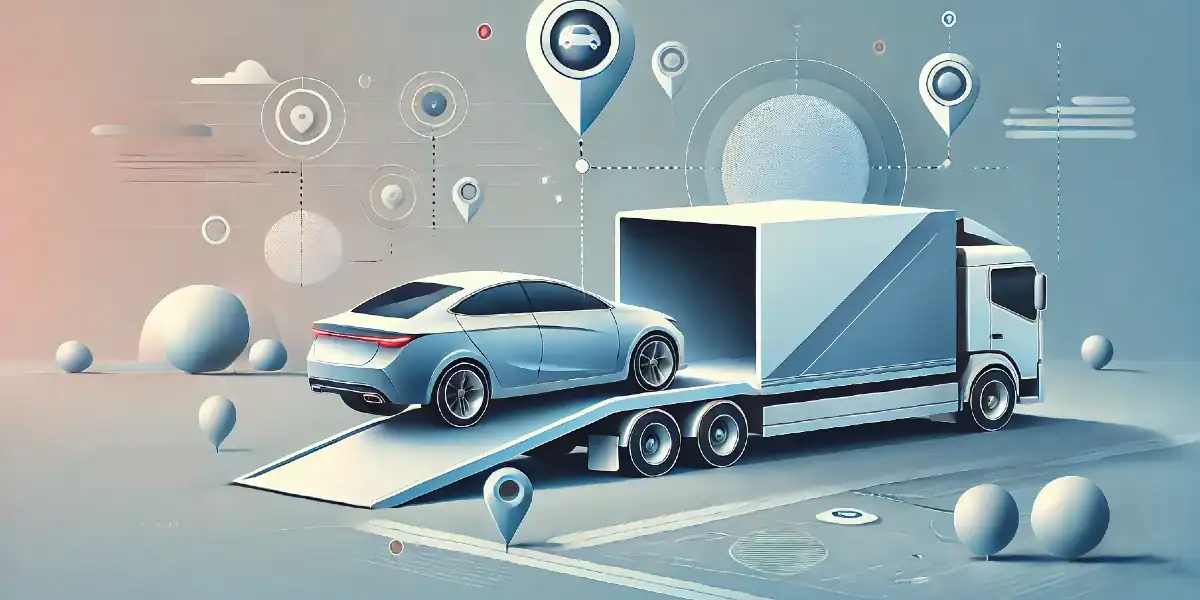
When it comes to shipping your vehicle, understanding the differences between open and enclosed transport is crucial. Not only do these options vary in cost, but they also differ in the level of protection they offer for your car. This article will break down the costs associated with each method, helping you make an informed decision for your vehicle transport needs.
Table of Contents
- Transport Options
- Shipping Process
- Cost Factors
- Timelines
- Preparation Steps
- Practical Consumer Tips
- Common Mistakes to Avoid
- Safety Notes
- Summary
- Frequently Asked Questions
Transport Options
There are two primary methods for transporting vehicles: open transport and enclosed transport.
Open Transport
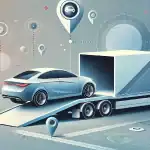
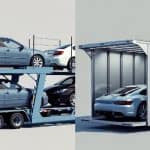
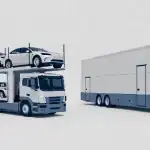
Open transport is the most common and cost-effective option. Your vehicle is loaded onto an open trailer, exposed to the elements. This method is suitable for most vehicles, especially if you are shipping a standard car or truck.
Enclosed Transport
Enclosed transport provides a higher level of protection. Vehicles are loaded into a fully enclosed trailer, shielding them from weather, debris, and potential damage during transit. This option is ideal for luxury, classic, or vintage cars.
Shipping Process
The shipping process for both open and enclosed transport is generally similar. Heres a step-by-step breakdown:
- Research and Select a Carrier: Look for reputable auto transport companies. Read reviews and check their ratings.
- Get Quotes: Request quotes from multiple carriers. This will help you compare prices and services.
- Book Your Transport: Once youve selected a carrier, book your transport. Provide details about your vehicle and desired shipping dates.
- Prepare Your Vehicle: Clean your car, remove personal items, and document its condition with photos.
- Pickup and Delivery: The carrier will pick up your vehicle and deliver it to the specified location.
Cost Factors
The cost of shipping your vehicle can vary based on several factors:
- Transport Type: Enclosed transport generally costs 30-50% more than open transport due to the added protection.
- Distance: Longer distances typically increase shipping costs.
- Vehicle Size and Weight: Larger and heavier vehicles may incur higher fees.
- Season: Prices can fluctuate based on the season. For example, summer may be more expensive due to higher demand.
- Pickup and Delivery Locations: Remote locations can lead to additional charges.
Timelines
Shipping timelines can vary based on the transport method:
- Open Transport: Typically takes 1-2 weeks, depending on distance and availability.
- Enclosed Transport: May take a little longer, often 1-3 weeks, due to limited availability and scheduling.
Preparation Steps
Preparing your vehicle for transport is essential for a smooth process. Heres how to do it:
- Clean Your Vehicle: Wash and wax your car to protect the paint.
- Remove Personal Items: Take out any valuables and personal items from the car.
- Document Condition: Take photos of your vehicle from multiple angles to document its condition.
- Check for Leaks: Ensure there are no fluid leaks that could cause issues during transport.
- Disable Alarms: Turn off any alarms or anti-theft devices to avoid complications during transport.
Practical Consumer Tips
Here are some tips to help you navigate the car shipping process:
- Get Multiple Quotes: Always compare quotes from different carriers to find the best deal.
- Read Reviews: Check customer reviews and ratings to choose a reliable transport company.
- Ask About Insurance: Ensure your carrier has adequate insurance coverage for your vehicle.
- Be Flexible: If possible, be flexible with your pickup and delivery dates to save on costs.
Common Mistakes to Avoid
To ensure a smooth shipping experience, avoid these common mistakes:
- Not Researching Carriers: Failing to check the reputation of the transport company can lead to issues.
- Ignoring Insurance: Not verifying insurance coverage can leave you vulnerable in case of damage.
- Overlooking Details: Not providing accurate details about your vehicle can lead to unexpected costs.
Safety Notes
Safety is paramount when shipping your vehicle. Here are some key points to consider:
- Choose a Licensed Carrier: Ensure your transport company is licensed and insured.
- Inspect Your Vehicle: Before and after transport, inspect your vehicle for any damages.
- Keep Contact Information Handy: Have the carriers contact information accessible during the transport process.
Summary
Understanding the differences in costs between open and enclosed transport is essential for making an informed decision. Open transport is generally more affordable, while enclosed transport offers better protection for valuable vehicles. By following the steps outlined in this article, you can ensure a smooth and successful car shipping experience.
Frequently Asked Questions
- What is the average cost of open transport? The average cost is typically between $500 and $1,000, depending on distance and vehicle type.
- How much more does enclosed transport cost? Enclosed transport can cost 30-50% more than open transport, often ranging from $1,000 to $2,000.
- Can I ship a non-running vehicle? Yes, but it may incur additional fees and require special arrangements.
- How do I track my vehicle during transport? Most carriers provide tracking information or updates during the shipping process.
- Are there any restrictions on what I can ship in my vehicle? Yes, personal items are generally not allowed, and some carriers have specific restrictions.
With this information, you can feel confident in your understanding of open vs. enclosed transport costs. Take the next step in your car shipping journey with clarity and assurance.