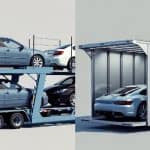
Shipping a car that doesnt run can seem daunting, but its a manageable process with the right information. Whether youre moving, selling, or buying a vehicle, understanding how to ship an inoperable car will make the experience smoother. This guide will walk you through the steps, costs, and best practices for shipping a non-running vehicle.
Table of Contents
- Transport Options for Inoperable Vehicles
- The Shipping Process
- Cost Factors to Consider
- Shipping Timelines
- Preparing Your Car for Shipping
- Practical Consumer Tips
- Common Mistakes to Avoid
- Safety Notes and Carrier Selection
- Summary
- Frequently Asked Questions
Transport Options for Inoperable Vehicles
When shipping a car that doesnt run, you typically have two main transport options:
- Open Transport: This is the most common and cost-effective method. Your car will be loaded onto an open trailer with other vehicles. While its less expensive, your car will be exposed to the elements.
- Enclosed Transport: This method offers more protection as your car is loaded into a covered trailer. Its more expensive but ideal for high-value or classic cars.
The Shipping Process
Shipping a non-running vehicle involves several key steps:
- Research and Choose a Carrier: Look for carriers that specialize in inoperable vehicles. Read reviews and check their credentials.
- Get a Quote: Contact the carrier for a quote. Provide details about your car, including its make, model, and condition.
- Book Your Shipment: Once you choose a carrier, book your shipment. Confirm the pickup and delivery dates.
- Prepare for Pickup: Follow the preparation steps outlined below.
- Pickup and Delivery: On the scheduled day, the carrier will pick up your vehicle and transport it to the destination.
Cost Factors to Consider
The cost of shipping an inoperable vehicle can vary based on several factors:
- Distance: Longer distances usually result in higher shipping costs.
- Vehicle Size and Weight: Larger and heavier vehicles may cost more to ship.
- Transport Type: Enclosed transport is generally more expensive than open transport.
- Condition of the Vehicle: If the vehicle requires special handling, this can increase costs.
Shipping Timelines
The timeline for shipping an inoperable vehicle can vary based on distance and carrier availability. Generally, you can expect:
- Local Shipments: 1-3 days.
- Long-Distance Shipments: 5-10 days, depending on the route and carrier.
Preparing Your Car for Shipping
Preparation is crucial when shipping a non-running vehicle. Here are the steps to follow:
- Remove Personal Items: Take out any personal belongings from the vehicle.
- Document Condition: Take photos of the cars current condition for your records.
- Check for Leaks: Ensure there are no fluid leaks that could cause issues during transport.
- Disable Alarms: If your car has an alarm system, disable it to prevent it from going off during transport.
- Inform the Carrier: Let the carrier know about any specific issues with the vehicle.
Practical Consumer Tips
Here are some helpful tips to ensure a smooth shipping experience:
- Compare Quotes: Dont settle for the first quote. Compare prices and services from multiple carriers.
- Read Reviews: Look for customer reviews to gauge the reliability of the carrier.
- Ask Questions: Dont hesitate to ask the carrier about their process and any concerns you may have.
Common Mistakes to Avoid
Avoid these common pitfalls when shipping your inoperable vehicle:
- Not Researching Carriers: Always check the reputation of the carrier before booking.
- Ignoring Insurance: Ensure your vehicle is covered during transport. Check if the carrier provides insurance or if you need to purchase additional coverage.
- Overlooking Preparation: Properly prepare your vehicle to avoid complications on pickup day.
Safety Notes and Carrier Selection
When selecting a carrier, consider the following:
- Insurance Coverage: Verify that the carrier has adequate insurance to cover any potential damages.
- Experience with Inoperable Vehicles: Choose a carrier that has experience handling non-running vehicles.
- Licensing and Registration: Ensure the carrier is properly licensed and registered with the Department of Transportation.
Summary
Shipping a car that doesnt run is a straightforward process when you know what to expect. By researching carriers, understanding costs, and preparing your vehicle properly, you can ensure a smooth shipping experience. Follow the steps outlined in this guide, and youll be well on your way to successfully transporting your inoperable vehicle.
Frequently Asked Questions
- Can I ship a car that doesnt have any wheels? Yes, specialized carriers can transport vehicles without wheels using a flatbed truck.
- How much does it cost to ship an inoperable vehicle? Costs can range from $200 to $1,000 or more, depending on various factors.
- Do I need to be present at pickup and delivery? Its usually recommended to be present, but some carriers may allow you to authorize someone else.
- What if my vehicle is leaking fluids? Inform the carrier about any leaks, as they may require you to address this before shipping.
- How do I track my shipment? Most carriers provide tracking options or updates during the shipping process.
With this guide, you should feel confident about taking the next steps in shipping your inoperable vehicle. Remember to do your research, prepare your car, and choose a reliable carrier for a successful transport experience.