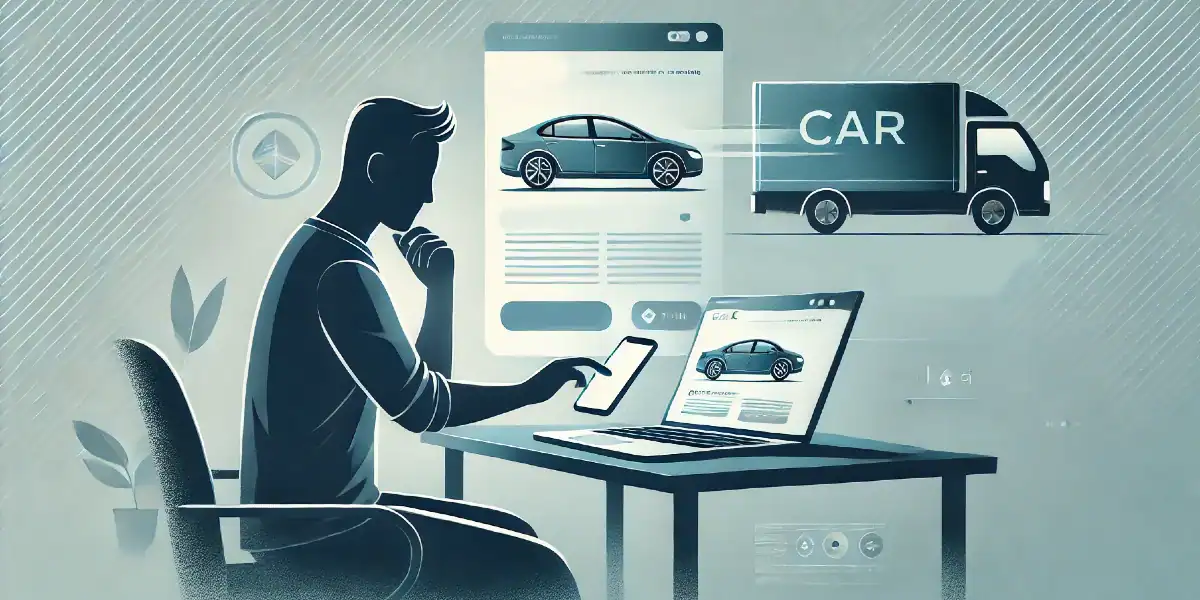
Relocating for work can be an exciting yet stressful experience, especially when it comes to transporting your vehicle. Whether youre moving across the country or just a few states away, understanding how to ship a car can make the process smoother. This guide will walk you through the steps, options, and considerations for shipping your car after a job relocation.
Table of Contents
- Transport Options
- Shipping Process
- Cost Factors
- Timelines
- Preparation Steps
- Practical Consumer Tips
- Common Mistakes to Avoid
- Safety Notes and Carrier Selection
- Summary
- Frequently Asked Questions
Transport Options
When it comes to shipping your car, you generally have two main options: open transport and enclosed transport.
- Open Transport: This is the most common and cost-effective option. Your car is loaded onto an open trailer alongside other vehicles. While its safe, your car will be exposed to the elements.
- Enclosed Transport: This option provides extra protection as your car is transported in a fully enclosed trailer. Its more expensive but ideal for high-value or classic cars.
Shipping Process
Shipping your car involves several straightforward steps:
- Research and Choose a Carrier: Look for reputable auto transport companies. Read reviews and check their credentials.
- Get Quotes: Contact multiple carriers to get quotes. Prices can vary, so compare them carefully.
- Book Your Shipment: Once youve selected a carrier, book your shipment. Provide them with details like your cars make, model, and pickup/drop-off locations.
- Prepare Your Car: Remove personal belongings, clean your car, and document its condition.
- Pickup and Delivery: The carrier will pick up your car and deliver it to your new location. Be available during pickup and delivery for inspections.
Cost Factors
The cost of shipping a car can depend on several factors:
- Distance: Longer distances typically mean higher costs.
- Transport Type: Enclosed transport costs more than open transport.
- Vehicle Size: Larger vehicles may incur additional fees.
- Season: Prices can fluctuate based on the time of year, with peak seasons often being more expensive.
Timelines
Understanding the timeline for car shipping can help you plan your move:
- Booking Time: Its best to book your shipment at least 2-4 weeks in advance.
- Transit Time: Depending on the distance, shipping can take anywhere from a few days to a couple of weeks.
- Pickup Scheduling: Carriers usually provide a pickup window, so be flexible with your schedule.
Preparation Steps
Proper preparation can help ensure a smooth shipping process:
- Clean Your Car: Wash and vacuum your vehicle to make it easier to inspect for any pre-existing damage.
- Remove Personal Items: Take out all personal belongings, as most carriers do not allow them during transport.
- Check for Leaks: Inspect your car for any fluid leaks and address them before shipping.
- Document Condition: Take photos of your car from multiple angles to document its condition before shipping.
Practical Consumer Tips
Here are some helpful tips to keep in mind:
- Read Reviews: Always check reviews and ratings of the shipping company before making a decision.
- Ask Questions: Dont hesitate to ask the carrier about their process, insurance, and any concerns you may have.
- Understand Insurance: Ensure you understand the insurance coverage provided by the carrier and consider additional coverage if needed.
Common Mistakes to Avoid
Avoid these common pitfalls when shipping your car:
- Not Comparing Quotes: Failing to get multiple quotes can lead to overpaying.
- Ignoring Reviews: Not checking reviews can result in choosing an unreliable carrier.
- Overlooking Insurance: Not verifying insurance coverage can leave you vulnerable in case of damage.
Safety Notes and Carrier Selection
When selecting a carrier, consider the following:
- Licensing and Insurance: Ensure the carrier is fully licensed and insured. You can check their status through the Federal Motor Carrier Safety Administration (FMCSA).
- Experience: Choose a carrier with a proven track record in auto transport.
- Communication: Opt for a carrier that communicates clearly and responds promptly to your inquiries.
Summary
Shipping a car after relocating for work doesnt have to be overwhelming. By understanding your options, preparing your vehicle, and choosing a reputable carrier, you can ensure a smooth transport experience. Take your time to research and plan, and youll feel confident in your decision.
Frequently Asked Questions
- How much does it cost to ship a car? The cost varies based on distance, vehicle size, and transport type, typically ranging from $500 to $1,500.
- How long does it take to ship a car? Shipping can take anywhere from a few days to a couple of weeks, depending on the distance and carrier.
- Can I ship personal items in my car? Most carriers do not allow personal items in the vehicle during transport.
- What should I do if my car is damaged during shipping? Document the damage and contact the carrier immediately to file a claim.
- Is my car insured during transport? Most carriers provide basic insurance; however, you may want to consider additional coverage for peace of mind.
Now that you have a clear understanding of how to ship a car after relocating for work, you can approach the process with confidence. Take the next steps in your car shipping journey, and enjoy your new adventure!