Transporting your vehicle across state lines can seem daunting, especially if its your first time. Whether youre a car owner, buyer, seller, or part of a family relocating, understanding the ins and outs of long-distance vehicle transport can make the process smoother. This guide will provide you with essential tips, clear explanations, and practical advice to help you navigate state-to-state car shipping with confidence.
Table of Contents
- Transport Options
- Shipping Process
- Cost Factors
- Timelines
- Preparation Steps
- Practical Consumer Tips
- Common Mistakes to Avoid
- Safety Notes
- Summary
- Frequently Asked Questions
Transport Options
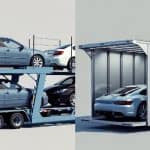
When it comes to long-distance vehicle transport, you generally have two main options: open transport and enclosed transport.
- Open Transport: This is the most common and cost-effective method. Your car is loaded onto a trailer with other vehicles, exposed to the elements. Its safe for most vehicles and ideal for standard cars.
- Enclosed Transport: This option offers more protection as your vehicle is transported in a fully enclosed trailer. Its typically more expensive and is recommended for luxury, vintage, or classic cars.
Shipping Process
Understanding the shipping process can ease your worries. Heres a step-by-step breakdown:
- Research and Choose a Carrier: Look for reputable auto transport companies. Read reviews and check their ratings. Ensure they are licensed and insured.
- Get Quotes: Contact several carriers to get quotes. Provide details like your vehicle type, pickup and delivery locations, and preferred transport method.
- Book Your Transport: Once you choose a carrier, book your transport. Confirm the details and ask about payment options.
- Prepare Your Vehicle: Clean your car, remove personal items, and document its condition.
- Pickup and Delivery: Be present during pickup and delivery to inspect the vehicle and sign necessary paperwork.
Cost Factors
The cost of long-distance vehicle transport can vary based on several factors:
- Distance: Longer distances typically cost more.
- Vehicle Size: Larger vehicles may incur higher fees due to space requirements.
- Transport Method: Enclosed transport is usually more expensive than open transport.
- Season: Prices can fluctuate based on the time of year; peak moving seasons may be pricier.
Timelines
Delivery timelines can vary based on distance and the carrier’s schedule. Generally, you can expect:
- Short Distances (up to 500 miles): 1-3 days
- Medium Distances (500-1,000 miles): 3-7 days
- Long Distances (over 1,000 miles): 7-14 days
Always ask your carrier for an estimated delivery time frame when booking.
Preparation Steps
Preparing your vehicle for transport is crucial. Follow these steps:
- Clean Your Car: A clean vehicle makes it easier to inspect for pre-existing damage.
- Remove Personal Items: Take out any valuables and personal belongings to prevent loss or damage.
- Check for Leaks: Ensure there are no fluid leaks, as this can affect transport safety.
- Disable Alarms: Turn off any alarms to avoid disturbances during transport.
- Document Condition: Take photos of your vehicle from multiple angles for your records.
Practical Consumer Tips
Here are some additional tips to enhance your car shipping experience:
- Read the Fine Print: Understand the terms and conditions of your transport agreement.
- Stay in Communication: Keep in touch with your carrier for updates on pickup and delivery.
- Consider Timing: If possible, avoid peak moving seasons to save on costs.
Common Mistakes to Avoid
Avoid these common pitfalls when shipping your vehicle:
- Not Researching Carriers: Always check reviews and ratings before choosing a transport company.
- Ignoring Insurance: Ensure your vehicle is adequately insured during transport.
- Overloading Your Vehicle: Dont leave items in your car; it can lead to extra fees and complications.
Safety Notes
Safety is paramount when transporting your vehicle. Here are some key points:
- Insurance: Check if your carrier offers insurance coverage. If not, consider purchasing additional coverage.
- Carrier Selection: Choose a carrier with a good safety record and proper licensing.
Summary
Transporting your vehicle long-distance doesnt have to be overwhelming. By understanding your options, preparing your car, and selecting a reputable carrier, you can ensure a smooth shipping experience. Remember to communicate openly with your carrier and keep track of all documents related to your transport.
Frequently Asked Questions
- How far in advance should I book my car transport? It’s best to book at least two weeks in advance, especially during peak seasons.
- Can I ship my car with personal items inside? Most carriers do not allow personal items in the vehicle due to liability issues.
- What should I do if my car is damaged during transport? Document the damage and contact your carrier immediately to file a claim.
- How do I track my vehicle during transport? Most carriers provide tracking options, so ask for details when booking.
- Is it cheaper to ship my car or drive it? This depends on distance, fuel costs, and wear and tear on your vehicle. Compare both options for the best decision.
With the right knowledge and preparation, you can feel confident about your long-distance vehicle transport. Take the next step in your car shipping journey with assurance and clarity.