Buying a vehicle online can be an exciting yet overwhelming experience, especially when it comes to shipping. Understanding the best shipping options available can make the process smoother and more efficient. In this article, we will explore various shipping methods, costs, timelines, and best practices to help you navigate the world of car shipping with confidence.
Table of Contents
- Shipping Options
- The Shipping Process
- Cost Factors
- Shipping Timelines
- Preparing Your Vehicle for Shipping
- Practical Consumer Tips
- Common Mistakes to Avoid
- Safety Notes and Carrier Selection
- Summary
- Frequently Asked Questions
Shipping Options
When it comes to shipping a vehicle, there are several options to consider:
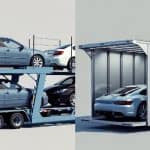
- Open Transport: This is the most common and cost-effective method. Your car is loaded onto an open trailer with other vehicles. While it is generally safe, your car is exposed to the elements.
- Enclosed Transport: This option offers more protection as your vehicle is shipped in a closed trailer. It is ideal for high-value or classic cars but comes at a higher cost.
- Door-to-Door Service: The carrier picks up and delivers your vehicle at specified locations, making it convenient for you.
- Terminal-to-Terminal Service: You drop off your vehicle at a shipping terminal, and it is picked up at another terminal. This option may save you money but requires more effort on your part.
The Shipping Process
Understanding the shipping process can help you feel more in control. Heres a step-by-step breakdown:
- Research Car Shipping Companies: Look for reputable carriers with good reviews. Check their licenses and insurance.
- Get Quotes: Request quotes from multiple companies. Compare prices and services offered.
- Book Your Shipment: Once you choose a carrier, book your shipment. Provide details about your vehicle and preferred shipping dates.
- Prepare Your Vehicle: Remove personal items, take photos, and note any existing damages.
- Pickup and Delivery: On the scheduled date, the carrier will pick up your vehicle. Be available for inspection and to sign any necessary paperwork.
Cost Factors
The cost of shipping a vehicle can vary based on several factors:
- Distance: Longer distances typically cost more.
- Type of Transport: Open transport is cheaper than enclosed transport.
- Vehicle Size and Weight: Larger and heavier vehicles may incur higher fees.
- Season: Prices can fluctuate based on the time of year, with peak seasons often being more expensive.
Shipping Timelines
Shipping timelines can vary based on distance and the shipping method chosen. Generally, heres what to expect:
- Local Shipments: 1-3 days
- Long-Distance Shipments: 1-2 weeks
- Cross-Country Shipments: 1-3 weeks
Preparing Your Vehicle for Shipping
Proper preparation can help ensure a smooth shipping experience. Here are some steps to follow:
- Clean Your Vehicle: Wash and vacuum your car to make it easier to inspect for damage.
- Document Existing Damage: Take clear photos of your vehicle from all angles.
- Remove Personal Belongings: Take out any items that could get lost or damaged during transport.
- Check Fluid Levels: Ensure that your vehicle has enough fuel and that all fluids are topped off.
- Disable Alarms: Make sure that any alarms or anti-theft devices are turned off.
Practical Consumer Tips
Here are some helpful tips to keep in mind:
- Always read the fine print of your shipping contract.
- Ask about insurance coverage and consider additional coverage if necessary.
- Stay in touch with your carrier for updates on your shipment.
- Be flexible with your pickup and delivery dates to avoid delays.
Common Mistakes to Avoid
Avoid these common pitfalls to ensure a successful shipping experience:
- Not researching carriers thoroughly.
- Underestimating shipping costs.
- Failing to prepare your vehicle properly.
- Ignoring insurance options.
Safety Notes and Carrier Selection
Choosing the right carrier is crucial for your vehicle’s safety. Here are some guidelines:
- Check reviews and ratings on platforms like the Better Business Bureau or Trustpilot.
- Ensure the carrier is licensed and insured.
- Ask for references from previous customers.
Summary
Shipping a vehicle purchased online doesnt have to be daunting. By understanding your options, preparing your vehicle, and selecting a reputable carrier, you can make the process smooth and stress-free. Remember to keep costs and timelines in mind, and dont hesitate to ask questions throughout the process.
Frequently Asked Questions
- How much does it cost to ship a car? Costs vary based on distance, vehicle size, and transport type. Expect anywhere from $500 to $1,500.
- How long does it take to ship a car? Shipping can take anywhere from 1-3 weeks depending on the distance and shipping method.
- Is my car insured during shipping? Most carriers provide basic insurance, but consider purchasing additional coverage for peace of mind.
- Can I track my vehicle during shipping? Yes, many carriers offer tracking services so you can monitor your vehicle’s journey.
- What if my car gets damaged during transport? Document any damages and contact the carrier immediately to file a claim.
With this guide, you can feel confident about your next steps in the car shipping process. By understanding your options and following best practices, you can ensure a successful and hassle-free experience.