When it comes to shipping your car, understanding how weather impacts timelines is crucial. Weather conditions can cause delays and affect the overall shipping process. Whether you’re a car owner, buyer, or seller, knowing what to expect can help you plan better and avoid surprises. In this article, we’ll break down the factors that influence car shipping timelines due to weather and provide practical tips to ensure a smooth experience.
Table of Contents
- Transport Options
- Shipping Process
- Cost Factors
- Timelines
- Preparation Steps
- Practical Consumer Tips
- Common Mistakes to Avoid
- Safety Notes and Carrier Selection
- Summary
- Frequently Asked Questions
Transport Options
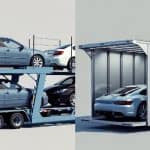
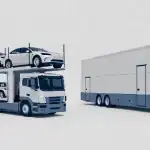
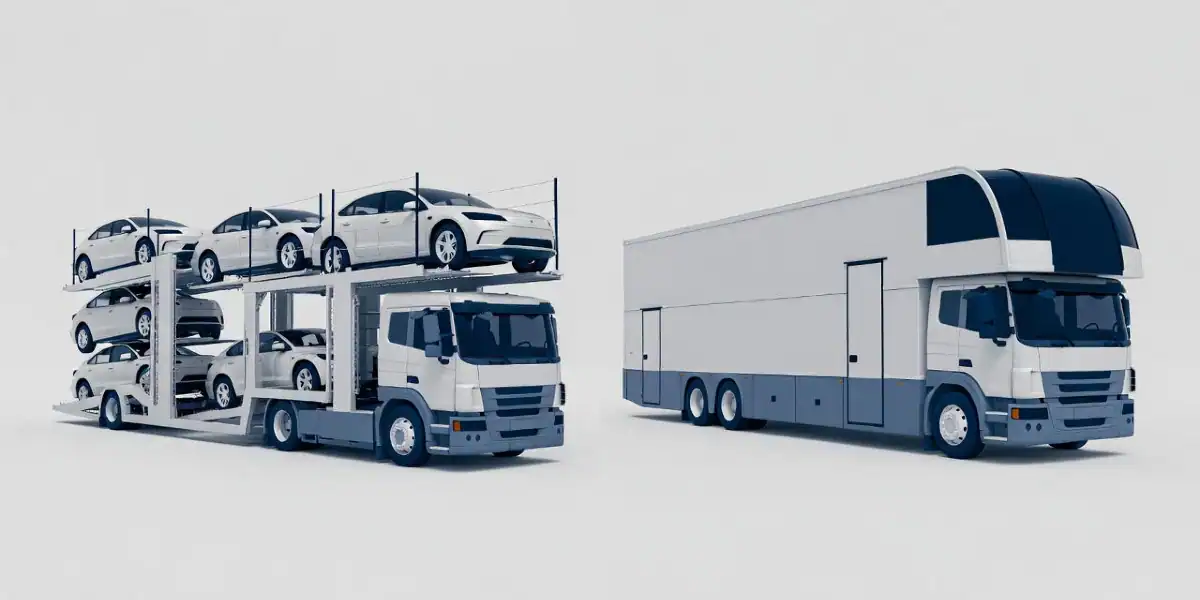
When shipping a car, you typically have two main transport options: open transport and enclosed transport. Open transport is the most common and cost-effective method, where your vehicle is loaded onto a trailer with other cars. However, it exposes your vehicle to the elements, which can be affected by weather conditions.
Enclosed transport offers more protection, as your car is shipped in a covered trailer. This option is ideal for luxury or classic cars, especially in areas prone to severe weather. While it costs more, it can save you from potential damage caused by rain, snow, or hail.
Shipping Process
The car shipping process generally involves several steps:
- Research and Choose a Carrier: Look for reputable car shipping companies. Read reviews and compare quotes.
- Book Your Shipment: Once you’ve selected a carrier, book your shipment. Provide details about your vehicle and pickup/delivery locations.
- Prepare Your Vehicle: Remove personal items, take photos, and ensure your car is in good working condition.
- Pickup: The carrier will pick up your vehicle on the scheduled date.
- Transit: Your car will be transported to the destination. Weather can affect this timeline.
- Delivery: Upon arrival, inspect your vehicle before signing off on the delivery.
Cost Factors
Several factors influence the cost of car shipping, including:
- Distance: Longer distances typically cost more.
- Transport Type: Enclosed transport is more expensive than open transport.
- Season: Demand can fluctuate with the seasons. For instance, summer is a busy time for car shipping, which can drive up prices.
- Weather Conditions: Adverse weather can increase costs due to delays or the need for additional precautions.
Timelines
Car shipping timelines can vary based on several factors, including distance, route, and weather conditions. Heres a general idea of what to expect:
- Short Distances (up to 500 miles): Typically 1-3 days.
- Medium Distances (500-1,000 miles): Usually 3-7 days.
- Long Distances (over 1,000 miles): Can take 7-14 days or more, especially if weather conditions are poor.
Keep in mind that inclement weather can lead to delays. For example, if a snowstorm hits the Midwest, carriers may reroute or delay shipments to ensure safety.
Preparation Steps
Proper preparation can help ensure a smoother shipping process:
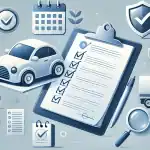
- Clean Your Car: Wash and vacuum your vehicle to make it easier to inspect for damages.
- Document Condition: Take clear photos of your car from multiple angles before shipping.
- Check Fluids: Ensure your car has enough fuel, oil, and other fluids.
- Remove Personal Items: Take out any valuables and personal belongings.
Practical Consumer Tips
Here are some tips to help you navigate the car shipping process:
- Book Early: If you know you’ll need to ship your car, book your transport as early as possible, especially during peak seasons.
- Stay Informed: Keep in touch with your carrier for updates on your shipments status, especially during adverse weather conditions.
- Consider Insurance: Check if your carrier offers insurance. This can provide peace of mind in case of unexpected incidents.
Common Mistakes to Avoid
Avoid these common pitfalls when shipping your car:
- Not Researching Carriers: Always choose a reputable carrier with good reviews.
- Ignoring Weather Forecasts: Be aware of weather conditions that may affect your shipping timeline.
- Failing to Prepare Your Vehicle: Not preparing your car can lead to complications during transport.
Safety Notes and Carrier Selection
When selecting a carrier, consider the following:
- Licensing and Insurance: Ensure the carrier is licensed and insured.
- Experience: Choose a company with experience in handling weather-related delays.
- Customer Service: Look for a carrier that provides clear communication and support throughout the process.
Summary
Understanding how weather affects car shipping timelines is essential for a smooth experience. By preparing your vehicle, choosing the right transport option, and staying informed about weather conditions, you can minimize delays and ensure your car arrives safely. Remember to do your research and communicate with your carrier for the best results.
Frequently Asked Questions
- How can I track my car during shipping? Most carriers provide tracking services. Ask your carrier for details.
- What should I do if my car is delayed due to weather? Stay in contact with your carrier for updates and be patient as they navigate the conditions.
- Is my car insured during transport? Check with your carrier about their insurance policies and consider additional coverage if needed.
- Can I ship my car in winter? Yes, but be prepared for potential delays due to snow and ice.
- What if my car is damaged during shipping? Document the damage and contact your carrier immediately to file a claim.
With the right knowledge and preparation, you can confidently navigate the car shipping process. Take the next step and ensure your vehicle arrives safely, no matter the weather.