When it comes to transporting your prized lowered or modified car, choosing the right shipping method is crucial. Enclosed shipping offers a safe and secure way to transport your vehicle, protecting it from the elements and potential damage. In this article, we will explore the ins and outs of enclosed shipping, helping you understand the process, costs, and best practices.
Table of Contents
- Transport Options
- Shipping Process
- Cost Factors
- Timelines
- Preparation Steps
- Practical Consumer Tips
- Common Mistakes to Avoid
- Safety Notes and Carrier Selection
- Summary
- Frequently Asked Questions
Transport Options
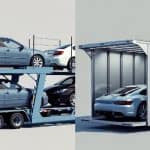
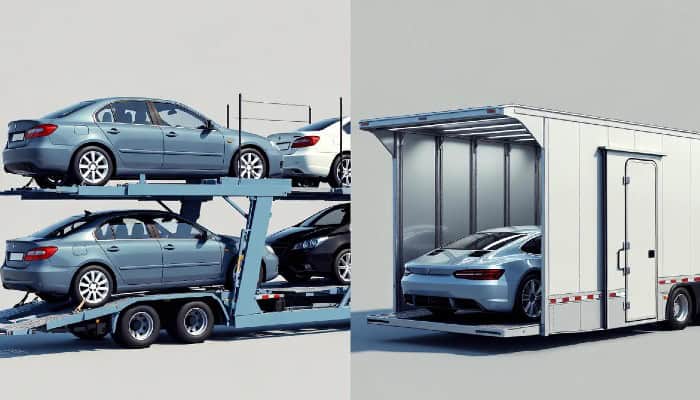
When shipping a lowered or modified car, you generally have two options: open transport and enclosed transport. Open transport is the more common method, where your car is loaded onto a trailer that is exposed to the elements. While this option is cheaper, it doesn’t provide the same level of protection.
Enclosed transport, on the other hand, involves your vehicle being loaded into a fully enclosed trailer. This method is ideal for lowered or modified cars, as it shields them from weather, debris, and potential damage during transit.
Shipping Process
The shipping process for enclosed transport typically involves the following steps:
- Research and Select a Carrier: Look for reputable carriers that specialize in enclosed transport. Read reviews and ask for recommendations.
- Request a Quote: Contact carriers for quotes. Provide details about your car, including its make, model, and any modifications.
- Book Your Shipment: Once you choose a carrier, book your shipment. Confirm the pickup and delivery dates.
- Prepare Your Car: Follow the preparation steps outlined below.
- Pickup: The carrier will arrive to pick up your car. Ensure someone is available to hand over the keys.
- Transit: Your car will be transported to its destination in the enclosed trailer.
- Delivery: Upon arrival, inspect your car for any damage before signing off on the delivery.
Cost Factors
The cost of enclosed shipping can vary based on several factors:
- Distance: Longer distances typically increase the cost.
- Vehicle Size and Weight: Larger or heavier cars may cost more to transport.
- Season: Prices may rise during peak shipping seasons, such as summer.
- Carrier Availability: Limited availability can lead to higher prices.
Timelines
Shipping timelines for enclosed transport can vary based on distance and carrier schedules. Generally, you can expect:
- Local Shipments: 1-3 days.
- Long-Distance Shipments: 5-10 days.
Always check with your carrier for specific timelines based on your route.
Preparation Steps
Preparing your lowered or modified car for shipping is essential. Heres how to do it:
- Clean Your Car: Wash and wax your vehicle to make any existing damage easier to spot.
- Document Condition: Take photos of your car from multiple angles.
- Remove Personal Items: Clear out any personal belongings to avoid loss or damage.
- Check Fluid Levels: Ensure that oil, coolant, and other fluids are at appropriate levels.
- Disable Alarms: Turn off any alarms to prevent them from going off during transport.
Practical Consumer Tips
Here are some helpful tips for shipping your lowered or modified car:
- Communicate with Your Carrier: Stay in touch with your carrier for updates on pickup and delivery.
- Consider Insurance: Check if your carrier provides insurance and consider additional coverage if necessary.
- Be Flexible: Weather and other factors can affect shipping timelines, so be prepared for possible delays.
Common Mistakes to Avoid
Avoid these common pitfalls when shipping your vehicle:
- Not Researching Carriers: Always choose a reliable carrier with good reviews.
- Ignoring Preparation Steps: Properly prepare your car to avoid damage during transit.
- Overlooking Insurance: Ensure you have adequate insurance coverage for peace of mind.
Safety Notes and Carrier Selection
When selecting a carrier, consider the following:
- Experience: Choose a carrier with experience in transporting lowered or modified cars.
- Insurance Coverage: Verify that the carrier has sufficient insurance to cover any potential damage.
- Safety Ratings: Look for carriers with high safety ratings and positive customer feedback.
Summary
Enclosed shipping is an excellent choice for transporting lowered or modified cars. By understanding the process, costs, and preparation steps, you can ensure a smooth shipping experience. Take the time to research carriers, prepare your vehicle, and stay informed throughout the process.
Frequently Asked Questions
- What is the difference between open and enclosed transport?
Open transport exposes your car to the elements, while enclosed transport offers protection from weather and debris. - How much does enclosed shipping cost?
Costs vary based on distance, vehicle size, and season, but expect to pay more than open transport. - How long does it take to ship a car?
Shipping times vary, but local shipments typically take 1-3 days, while long-distance shipments may take 5-10 days. - Should I insure my car during transport?
Yes, check with your carrier about their insurance and consider additional coverage for peace of mind. - What should I do if my car is damaged during transport?
Document the damage and contact your carrier immediately to file a claim.
By following these guidelines, you can feel confident in your decision to ship your lowered or modified car. With the right preparation and carrier, your vehicle will be in good hands.