Shipping a car from a private seller can seem daunting, especially if youre doing it for the first time. However, with the right information and steps, you can ensure a smooth and safe car shipping experience. This guide will walk you through the process, from understanding your shipping options to preparing your vehicle for transport.
Table of Contents
- Transport Options
- Shipping Process
- Cost Factors
- Timelines
- Preparation Steps
- Practical Consumer Tips
- Common Mistakes to Avoid
- Safety Notes
- Summary
- Frequently Asked Questions
Transport Options
When shipping a car, you generally have two main transport options: open transport and enclosed transport.
- Open Transport: This is the most common and cost-effective option. Your car is loaded onto a truck with other vehicles, exposed to the elements. Its safe for most cars and is widely used for standard shipping.
- Enclosed Transport: This option provides more protection as your car is transported in a covered trailer. Its ideal for luxury or classic cars but comes at a higher cost.
Shipping Process
Shipping a car involves several steps. Heres a simplified breakdown:
- Research Car Shipping Companies: Look for reputable carriers with good reviews. Compare quotes and services.
- Book Your Shipment: Once you choose a carrier, book your shipment. Provide details about your car, pickup, and delivery locations.
- Prepare Your Car: Clean your car, remove personal items, and document its condition.
- Pickup: The carrier will arrive to pick up your vehicle. Ensure youre available to hand over the keys and any necessary paperwork.
- Delivery: Once your car reaches its destination, inspect it for any damage before signing off on the delivery.
Cost Factors
The cost of shipping a car can vary based on several factors:
- Distance: Longer distances typically increase shipping costs.
- Transport Type: Enclosed transport is more expensive than open transport.
- Vehicle Size and Weight: Larger and heavier vehicles cost more to ship.
- Season: Prices can fluctuate based on the season, with peak times often being more expensive.
Timelines
Shipping a car usually takes anywhere from a few days to a couple of weeks. Factors affecting shipping time include:
- Distance: Longer routes take more time.
- Carrier Availability: The carriers schedule can impact how quickly they can pick up and deliver your vehicle.
- Weather Conditions: Adverse weather can delay transport.
Preparation Steps
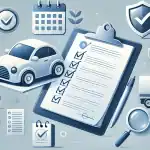
Preparing your car for shipping is crucial. Follow these steps:
- Clean Your Car: Wash and vacuum your vehicle. This helps in inspecting for any pre-existing damage.
- Document Condition: Take photos of your car from multiple angles to document its condition before shipping.
- Remove Personal Items: Take out any personal belongings, as they may not be covered by insurance during transport.
- Check Fluids: Ensure your car has adequate oil, coolant, and gas (about a quarter tank is sufficient).
- Disable Alarms: Turn off any alarms or anti-theft devices to avoid complications during transport.
Practical Consumer Tips
Here are some helpful tips for a successful car shipping experience:
- Get Multiple Quotes: Always compare quotes from different carriers to find the best deal.
- Read Reviews: Look for customer reviews to gauge the reliability of the shipping company.
- Ask About Insurance: Ensure the carrier provides insurance coverage for your vehicle during transport.
- Be Flexible: If possible, be flexible with your pickup and delivery dates to save on costs.
Common Mistakes to Avoid
Avoid these common pitfalls when shipping your car:
- Not Researching Carriers: Always check the reputation of the shipping company before booking.
- Ignoring Insurance: Make sure you understand the insurance coverage provided by the carrier.
- Overloading Your Vehicle: Dont leave heavy items in your car; they can increase shipping costs and risk damage.
Safety Notes
Safety is paramount when shipping a car. Here are some points to consider:
- Choose a Reputable Carrier: Look for companies that are licensed and insured.
- Verify Insurance: Confirm what insurance coverage is included and consider additional coverage if needed.
- Inspect Upon Delivery: Always inspect your vehicle for damage upon delivery before signing off.
Summary
Shipping a car from a private seller can be a straightforward process if you follow the right steps. By understanding your transport options, preparing your vehicle, and choosing a reliable carrier, you can ensure a safe and efficient shipping experience. Remember to stay informed and proactive throughout the process.
Frequently Asked Questions
- How much does it cost to ship a car? The cost can range from $500 to $1,500 depending on distance, transport type, and vehicle size.
- How long does it take to ship a car? Shipping can take anywhere from 1 to 14 days, depending on distance and logistics.
- What should I do if my car is damaged during shipping? Document the damage, contact the carrier immediately, and file a claim with their insurance.
- Can I ship personal items in my car? Its generally not recommended, as personal items may not be covered by insurance during transport.
- What paperwork do I need for shipping a car? You will typically need the vehicle title, registration, and proof of insurance.
With this guide, you should feel confident about shipping a car from a private seller. Take your time to research and prepare, and youll navigate the process smoothly. Good luck with your car shipping journey!