Transporting your vehicle can be a daunting task, especially if its your first time. Knowing how to track your vehicle during transport can give you peace of mind and help you stay informed throughout the process. In this guide, well walk you through the steps to track your vehicle, understand the shipping process, and provide practical tips for a smooth experience.
Table of Contents
- Transport Options
- Shipping Process
- Cost Factors
- Timelines
- Preparation Steps
- Practical Consumer Tips
- Common Mistakes to Avoid
- Safety Notes
- Summary
- Frequently Asked Questions
Transport Options
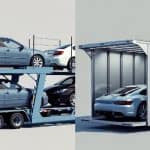
When shipping your vehicle, you typically have two main transport options: open transport and enclosed transport.
- Open Transport: This is the most common and cost-effective method. Your vehicle is loaded onto an open trailer with other cars. While its safe, your vehicle is exposed to the elements.
- Enclosed Transport: This option provides extra protection. Your vehicle is transported in a fully enclosed trailer, shielding it from weather and road debris. Its typically more expensive but ideal for luxury or classic cars.
Shipping Process
The shipping process involves several steps:
- Book Your Shipment: Start by contacting a reputable car shipping company. Provide details about your vehicle, pickup, and delivery locations.
- Get a Quote: The company will give you a quote based on distance, vehicle type, and transport option.
- Schedule Pickup: Once you accept the quote, schedule a pickup date. Make sure to confirm the details with the carrier.
- Prepare Your Vehicle: Remove personal items and ensure your vehicle is in good working condition.
- Track Your Vehicle: Most carriers provide tracking options, which well discuss in detail below.
- Delivery: Upon arrival, inspect your vehicle for any damage before signing off on the delivery.
Cost Factors
Several factors influence the cost of shipping your vehicle:
- Distance: Longer distances typically increase shipping costs.
- Vehicle Size and Weight: Larger and heavier vehicles may cost more to transport.
- Transport Type: As mentioned, enclosed transport is more expensive than open transport.
- Season: Prices can fluctuate based on demand. Peak seasons may lead to higher rates.
Timelines
The timeline for vehicle transport can vary based on distance and transport type:
- Local Shipments: Typically take 1-3 days.
- Long-Distance Shipments: Can take 1-2 weeks, depending on the route and conditions.
Preparation Steps
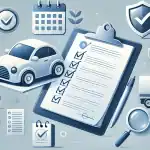
Preparing your vehicle for transport is crucial. Follow these steps:
- Clean your vehicle inside and out.
- Document any existing damage with photos.
- Remove personal belongings and valuables.
- Ensure your vehicle has enough fuel for loading and unloading, but not too much (a quarter tank is usually sufficient).
- Check for leaks and mechanical issues.
Practical Consumer Tips
Here are some tips to make your shipping experience smoother:
- Research Carriers: Look for reviews and ratings of car shipping companies. Choose one with a good reputation.
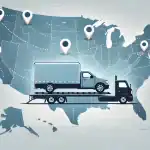
- Ask About Tracking: Inquire about the tracking options available. Many companies offer GPS tracking.
- Stay in Contact: Keep communication open with your carrier. Dont hesitate to ask for updates during transport.
Common Mistakes to Avoid
Avoid these common pitfalls when shipping your vehicle:
- Not researching the shipping company thoroughly.
- Failing to document vehicle condition before transport.
- Ignoring insurance options. Always ask about coverage during transit.
Safety Notes
Safety is paramount when shipping your vehicle. Here are some important points to consider:
- Insurance: Verify the insurance coverage provided by the shipping company. Consider purchasing additional coverage if necessary.
- Carrier Selection: Choose a licensed and insured carrier. Check their safety record and compliance with regulations.
Summary
Tracking your vehicle during transport is essential for peace of mind. By understanding the shipping process, preparing your vehicle properly, and selecting a reliable carrier, you can ensure a smooth and successful transport experience. Remember to stay informed and ask questions along the way.
Frequently Asked Questions
- How can I track my vehicle during transport? Most carriers offer tracking services through GPS or online portals. Ask your carrier for details.
- What should I do if my vehicle is delayed? Contact your carrier for updates. Delays can happen due to weather or traffic conditions.
- Is my vehicle insured during transport? Yes, but check the coverage details with your carrier. You may want to consider additional insurance.
- Can I ship personal items in my vehicle? It’s not recommended. Most carriers prohibit personal items due to liability issues.
- What if my vehicle is damaged during transport? Document the damage and report it to your carrier immediately. Insurance claims may be necessary.
Feeling confident about tracking your vehicle during transport is essential. By following these guidelines, you can navigate the car shipping process with ease. Take the next step with assurance, knowing youre well-prepared for your vehicle’s journey.