Shipping a vehicle can be a daunting task, especially if you’re doing it for the first time. Understanding auto transport contracts and agreements is a crucial step in ensuring your car is transported safely and efficiently. This guide will break down everything you need to know about auto transport, from types of carriers to cost factors, timelines, and best practices.
Table of Contents
- Transport Options
- Shipping Process
- Cost Factors
- Timelines
- Preparation Steps
- Practical Consumer Tips
- Common Mistakes to Avoid
- Safety Notes
- Summary
- Frequently Asked Questions
Transport Options
When it comes to auto transport, there are two main types of carriers: open and enclosed. Understanding these options can help you make an informed decision.
Open Transport
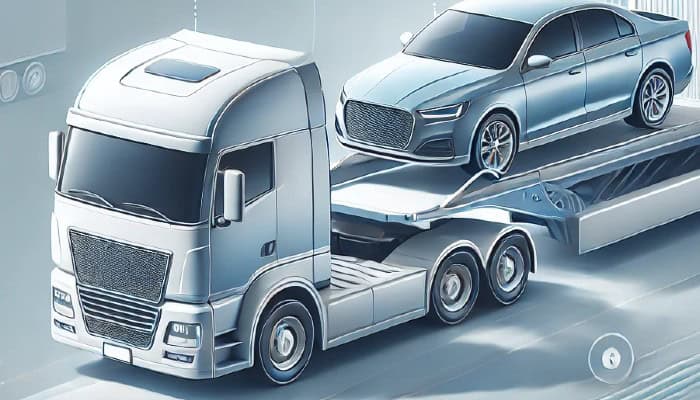
Open transport is the most common and cost-effective method. Your vehicle is loaded onto a truck with other cars, exposed to the elements. This option is suitable for standard vehicles and is often preferred for its affordability.
Enclosed Transport
Enclosed transport provides more protection for your vehicle. Its ideal for luxury, classic, or high-value cars. While it costs more than open transport, it shields your vehicle from weather and road debris.
Shipping Process
The shipping process generally involves several steps. Heres a simple breakdown:
- Research and Choose a Carrier: Start by researching different auto transport companies. Look for reviews and ratings to find a reputable carrier.
- Get Quotes: Contact multiple carriers for quotes. Compare prices, services, and delivery timelines.
- Review the Contract: Once you choose a carrier, carefully review the contract. Ensure you understand all terms and conditions.
- Prepare Your Vehicle: Clean your car, remove personal items, and document its condition with photos.
- Schedule Pickup: Coordinate with the carrier to schedule a pickup time that works for you.
- Delivery: Once your vehicle is delivered, inspect it for any damage before signing off on the delivery.
Cost Factors
Several factors influence the cost of auto transport:
- Distance: The farther your vehicle needs to travel, the higher the cost.
- Vehicle Size and Weight: Larger and heavier vehicles typically cost more to ship.
- Transport Type: As mentioned, enclosed transport costs more than open transport.
- Season: Prices can fluctuate based on the time of year, with peak seasons generally being more expensive.
- Condition of the Vehicle: Non-running vehicles may incur additional fees.
Timelines
Shipping timelines can vary based on distance and the carrier’s schedule. Generally, you can expect:
- Local Transport: 1-3 days
- Long-Distance Transport: 7-14 days
- Cross-Country Transport: 10-21 days
Always ask the carrier for a more specific timeline based on your shipment details.
Preparation Steps
Proper preparation can make the shipping process smoother:
- Clean Your Car: A clean vehicle is easier to inspect for damage.
- Remove Personal Items: Take out all personal belongings to prevent loss or damage.
- Document Condition: Take photos of your car from multiple angles for your records.
- Check for Leaks: Ensure there are no fluid leaks, as this can lead to additional fees.
Practical Consumer Tips
Here are some helpful tips to make your auto transport experience better:
- Always read reviews and check the carrier’s credentials.
- Ask about insurance coverage and what it includes.
- Be flexible with your pickup and delivery dates to avoid extra charges.
- Communicate clearly with your carrier about any specific needs.
Common Mistakes to Avoid
To ensure a smooth shipping experience, avoid these common pitfalls:
- Not reading the contract thoroughly before signing.
- Choosing the cheapest option without considering reliability.
- Failing to document the vehicle’s condition.
- Not asking enough questions about the shipping process.
Safety Notes
Safety is paramount when shipping your vehicle. Here are some important points to consider:
- Ensure the carrier is licensed and insured.
- Check if the carrier has a good safety record.
- Understand the insurance coverage provided and consider purchasing additional coverage if needed.
Summary
Understanding auto transport contracts and agreements is essential for a successful vehicle shipping experience. By knowing your options, preparing your car, and following the outlined steps, you can ensure a smooth process. Always prioritize safety and reliability when choosing a carrier.
Frequently Asked Questions
- What should I do if my car is damaged during transport? Contact your carrier immediately and document the damage with photos.
- How far in advance should I book my auto transport? Ideally, book at least 2-4 weeks in advance, especially during peak seasons.
- Can I ship a non-running vehicle? Yes, but be aware that it may incur additional fees.
- What if I need to change my pickup or delivery date? Communicate with your carrier as soon as possible to discuss options.
- Are there any items I cant leave in my car during transport? Yes, personal items should be removed to prevent loss or damage.
With this guide, you should feel more confident in navigating the world of auto transport contracts and agreements. Take your time, do your research, and youll be well on your way to a successful vehicle shipping experience.